Lead Generation Software vs Buying Leads
Should you buy prospecting software, build lead research in-house, or buy targeted B2B leads from an agency? The right answer depends on your team, market, volume, and how much prospecting work you actually want to own.
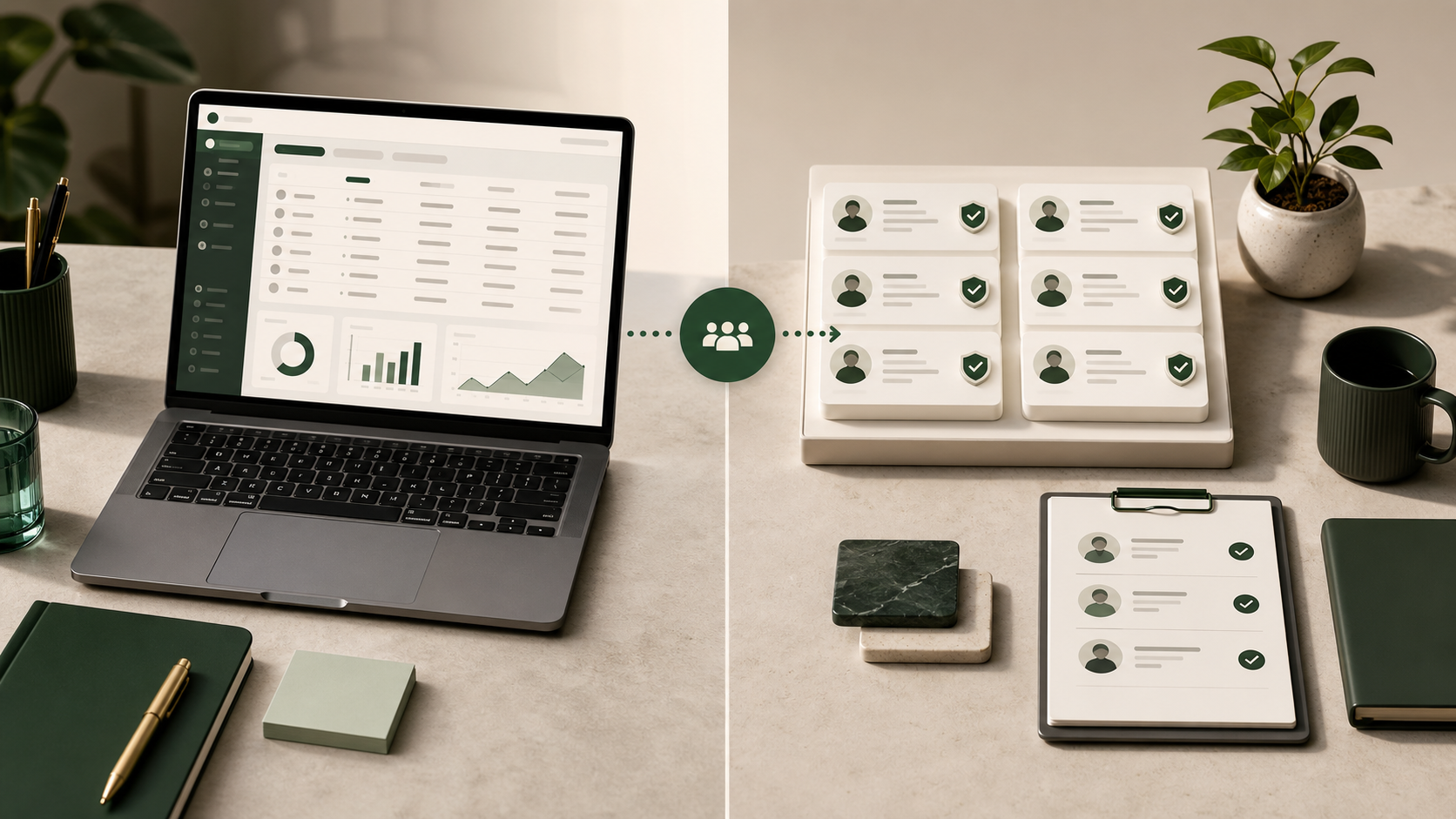
Buyer rule
Do not pay for tools or lists until the buyer profile, fields, and sales use case are clear.
Focus
Lead generation software
Decision point
Build or buy leads
Best for
B2B sales teams
Main risk
Volume without fit
TL;DR
Lead generation software is useful when your team has time to research, clean, verify, and manage data. Buying leads is better when you want a focused list delivered around a clear buyer profile. The strongest choice is the one your team will actually use.
Most companies do not have a lead problem because the internet is empty. They have a lead problem because useful prospecting takes focus. Someone has to define the buyer, search the market, clean the records, remove bad fits, and hand the list to sales in a format that can be worked.
Lead generation software can help with that job. It can make research faster, store filters, export records, enrich fields, and organize outreach. But software still needs a person who knows what a good lead looks like. Without that judgment, the output becomes a large list that feels productive but rarely turns into pipeline.
Buying leads from an agency is different. You are paying for the research work, list structure, and targeting judgment as much as the records themselves. The question is not which option sounds more modern. The question is which option fits your team right now.
Quick Comparison
| Option | Best when | Watch out for |
|---|---|---|
| Lead software | You have a trained person who can own research every week. | Tool cost plus manual cleanup time. |
| In-house research | You have a niche market and want total control over the list. | Slow ramp time and inconsistent quality. |
| Buying leads | You need targeted prospects faster and want the research handled for you. | Bad briefs create broad lists, so the target must be clear. |
When Lead Generation Software Makes Sense
Software makes sense when prospecting is already part of someone's job. If your team has a sales development person, marketing operator, or founder who can test filters and maintain lists, a tool can save time.
It also works well when you need ongoing control. Some teams need to search daily, test new segments, and inspect every account before outreach. In that case, owning the tool can be worth it.
The catch is that a tool does not decide your market for you. It will not know which accounts are too small, which titles are too junior, which regions are poor fit, or which companies look good but never buy. That judgment has to come from your team.
When Buying Leads Is Better
Buying leads is better when you want to move quickly, test a market, or give sales a clean starting point without hiring or training a researcher. A good lead pack is not just an export. It is a targeted file built around your buyer profile.
This is especially useful for narrow markets, new regions, partner outreach, local B2B sales, and campaign-specific prospecting. You define the audience, then the agency handles the research and formatting.
The best results come from a clear brief. Share good customer examples, bad-fit companies, target roles, locations, required fields, and any exclusions. The sharper the brief, the more useful the list.
The Lead Brief Matters More Than The Tool
Before you buy software or leads, write the lead brief. It should define the industry, region, company size, job titles, signals, exclusions, fields, delivery format, and first outreach use case.
A lead brief keeps everyone honest. It prevents the list from becoming too broad and makes quality easier to judge. If a record does not match the brief, it should not be there.
Cost Is More Than The Price Tag
Software pricing is only part of the cost. You also pay with setup time, training, list cleanup, research hours, and the attention needed to keep data current. For some teams, that is fine. For others, it becomes the reason the tool sits unused.
Buying leads can look more expensive per record, but it may be cheaper per usable sales conversation if the list is focused and ready to work. Judge the cost by useful output, not by raw volume.
Decision Checklist
- Do we know the exact buyer profile?
- Do we have someone who can own lead research every week?
- Do we need control, speed, or both?
- Which fields does sales actually need?
- How will we judge whether the list was useful?
- Would one test list answer the question faster than a software contract?
Lead request
Want us to build the first list?
Send your work email and target market. We will reply with the next step for a focused lead order.
FAQ: Lead Generation Software vs Buying Leads
Is lead generation software worth it?
It can be worth it when your team has someone who can own research, clean data, test filters, and keep lists current.
When should we buy leads instead?
Buy leads when you need a focused prospect list quickly, want to test a market, or do not want your sales team spending hours on research.
What makes a lead list useful?
A useful list matches a clear buyer profile, includes the fields sales needs, removes obvious bad fits, and is organized for outreach.
Ready to buy better B2B leads?
Expandia helps companies turn target markets into clean prospect lists.